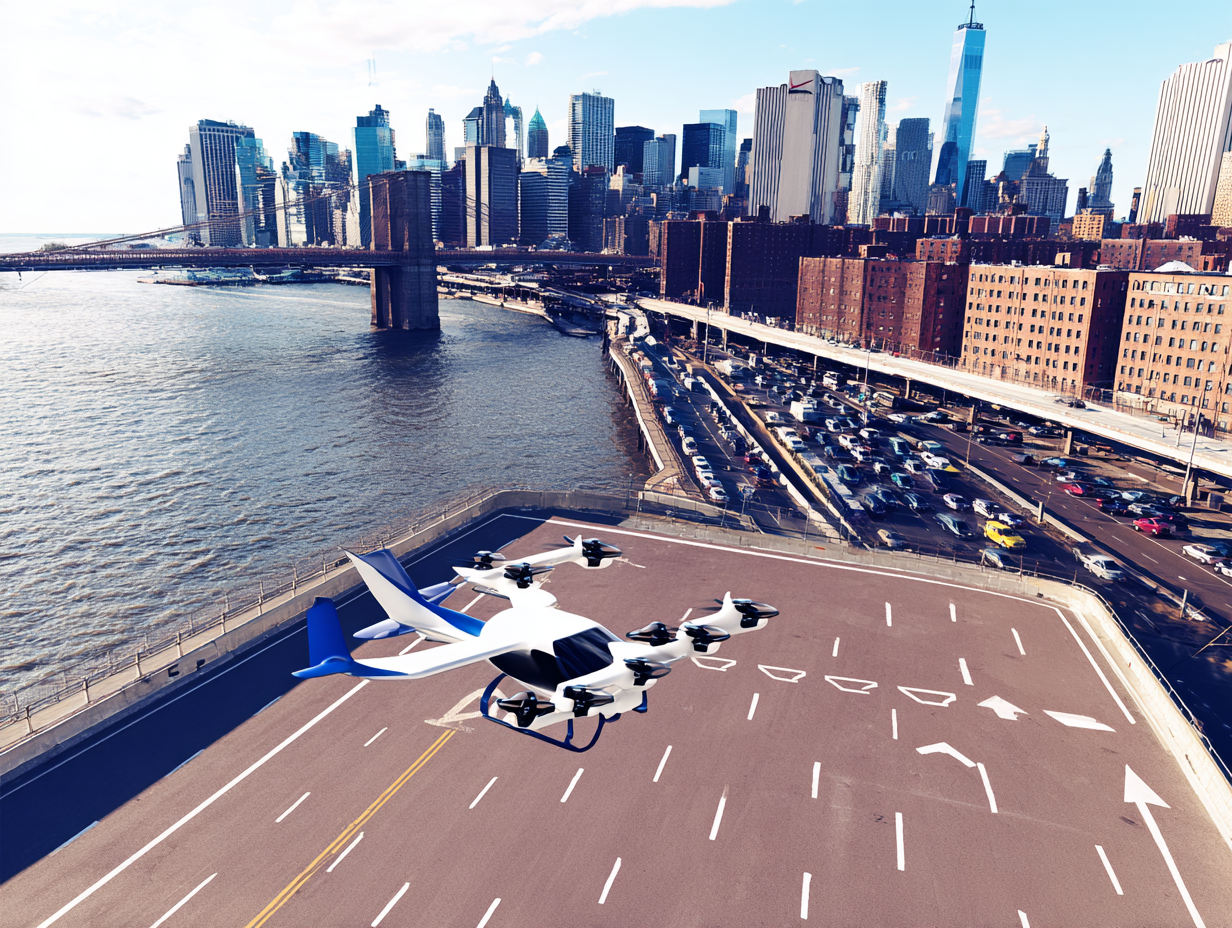
Why air taxis build on existing work
Passenger aircraft raise stakes, but they do not introduce entirely new governance questions. Cities still need to decide where operations occur, how safety is managed, and how communities are affected. Cities with mature drone governance are better positioned to extend those frameworks.
Institutional readiness over hardware
Air taxi readiness is primarily an institutional challenge. Departments must align on authority, procedures, and coordination before physical infrastructure becomes relevant. This alignment is often harder than deploying new technology.
Extending corridor based governance
Predictable routes, monitoring, incident response, and public engagement all scale upward. Cities that treat drones and air taxis as part of a single low altitude ecosystem reduce fragmentation. SkyTrade City is designed to support this continuum without forcing cities into a specific operational model.
Trust accumulates over time
Public acceptance of advanced mobility will depend on how cities have governed earlier low altitude activity. Transparent rules, consistent enforcement, and visible public safety integration matter more than novelty. Air taxi readiness is not a moment. It is the result of sustained governance.