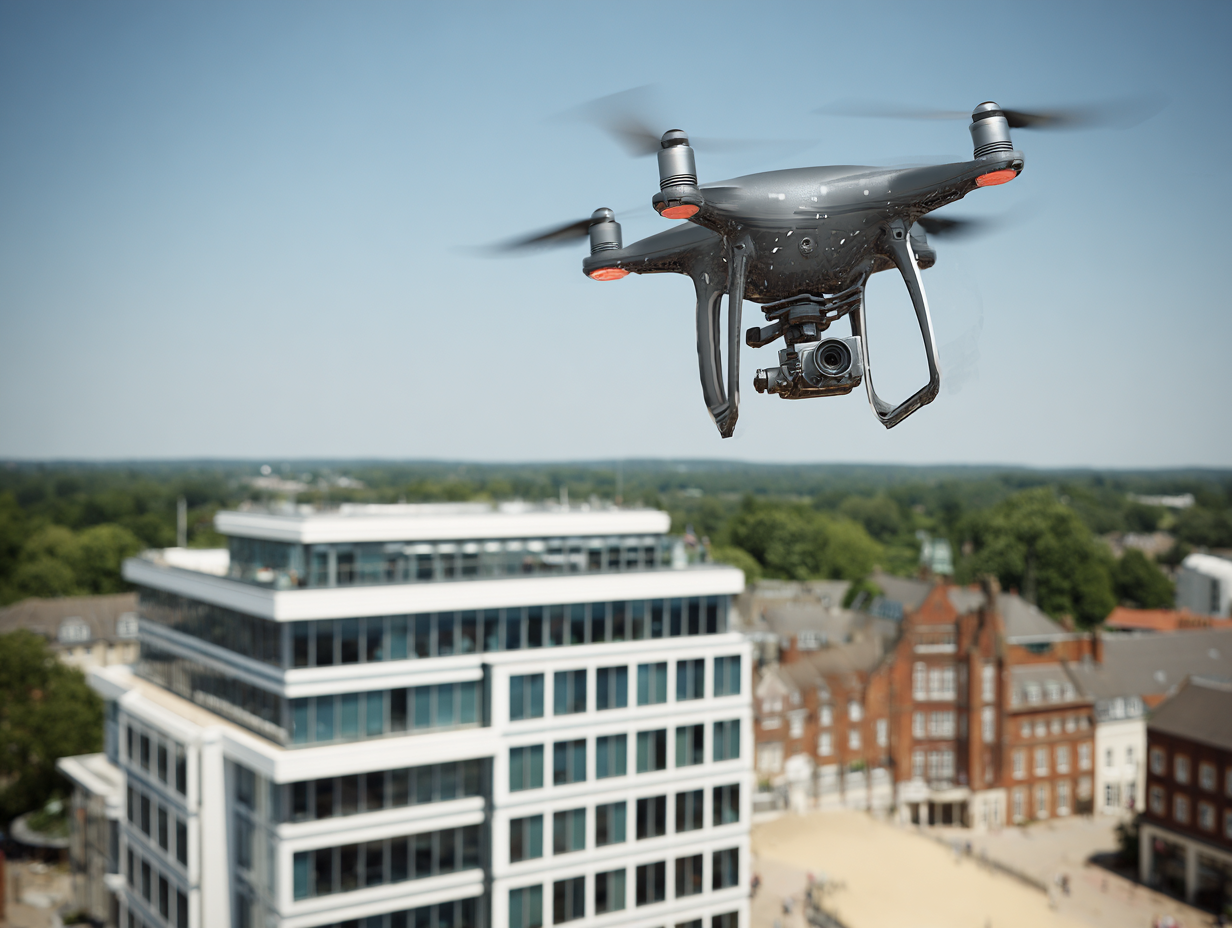
Why unauthorized drones became a city issue
Unauthorized drone activity is no longer limited to airports or sensitive federal sites. Cities regularly encounter unknown flights near events, infrastructure, and public spaces. The challenge for municipalities is not simply detection, but response. Who evaluates the activity, what authority applies, and how information is shared.
Reframing counter drone at the city level
For cities, counter drone typically does not mean disabling aircraft. Those actions are heavily regulated and often outside municipal authority. Instead, city focused counter drone strategies emphasize awareness, verification, and coordination. The goal is to understand what is happening and respond proportionally and lawfully.
Policy clarity reduces escalation
Cities with clear drone ordinances and corridor programs are better positioned to handle unauthorized activity calmly. When expectations are defined in advance, detection leads to decision making rather than confusion. This reduces unnecessary escalation and builds public trust.
Coordination is the hardest part
Most municipal challenges arise from unclear ownership across departments. Police, fire, emergency management, and city administration each see different aspects of the same incident. Platforms such as SkyTrade City are designed to support shared visibility and structured workflows across agencies without replacing departmental authority.
Counter drone as part of situational awareness
Cities increasingly view drone detection alongside other situational awareness tools, rather than as a standalone capability. This reflects how incidents actually unfold in real environments.
Next in the series: Why cities are exploring air rights monetization to fund governance sustainably.